Tag: Python

 Naveen Pandey
How to Enhance Images Using Python
Image enhancement is one of the important steps in number of applications, including computer vision and image processing. It will help you to improve the quality of an image by adjusting its brightness, contrast and sharpness. Python, a versatile programming language, that provides a number of libraries to perform image enhancement tasks. In this article,…
Read More
Histogram Equalization: Enhancing Image Quality and Contrast
Histogram equalization is a technique used to enhance the quality and contrast of an image. It is a process of adjusting the intensity values of an image to improve its visual appearance. In this article, we will discuss the concept of histogram equalization, and its benefits, also we will be looking at the implementation in…
Read MorePerforming Image Annotation using Python and OpenCV
Introduction Image annotation is a crucial task in the field of computer vision and machine learning. It involves labeling specific features in an image for training models to recognize those features in new images. Python and OpenCV provide a powerful combination of tools for performing image annotation efficiently and accurately. Understanding Image Annotation Image annotation…
Read More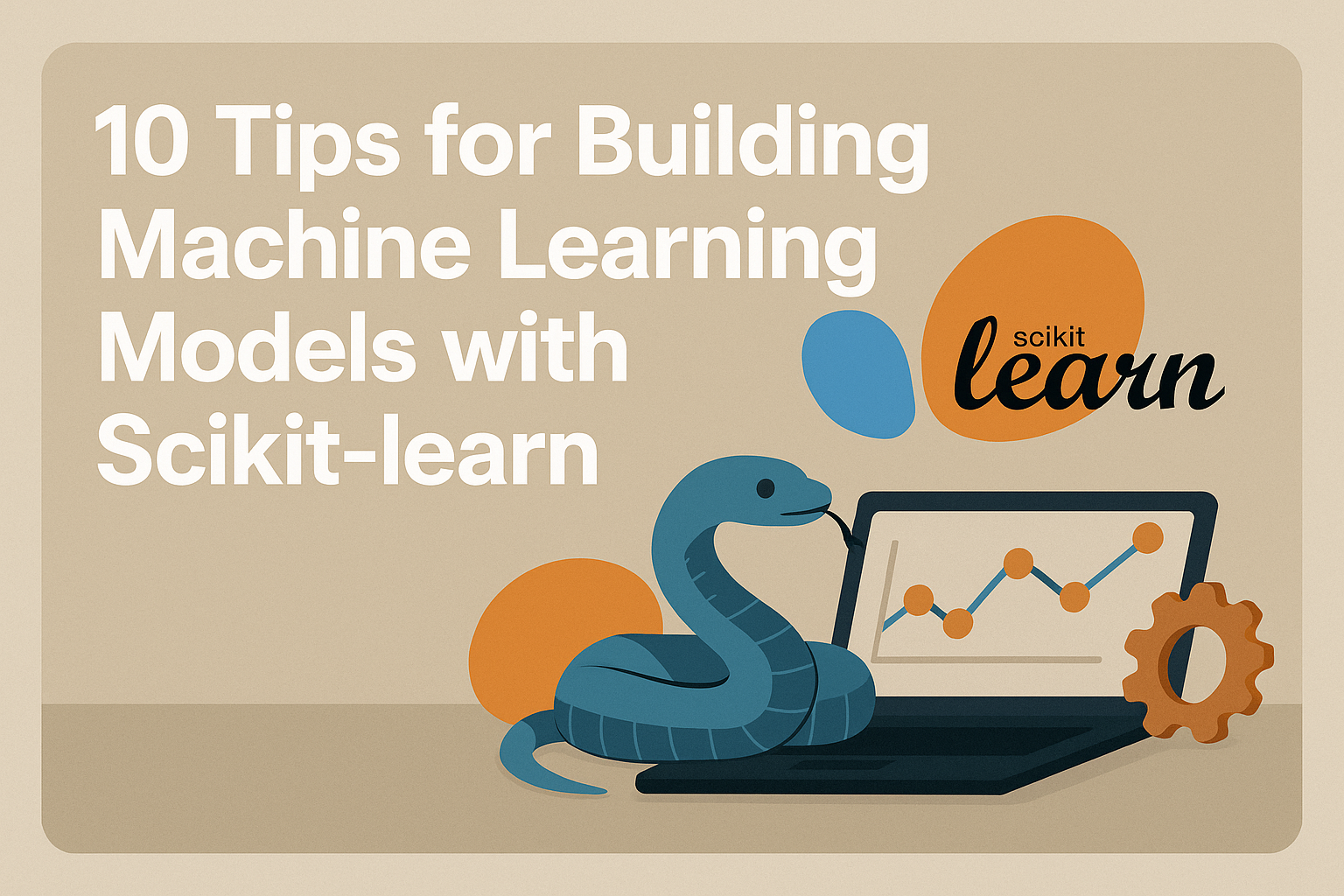
10 Tips for building Machine Learning Models with Scikit-learn
At the heart of machine learning is the ability to create models that can learn from data and make predictions based on new, never-before-seen data. Scikit-Learn is a powerful library for building machine learning models in Python. Here are our top 10 tips for building machine learning models with Scikit-Learn. 1 – Start with a…
Read More
10 Essential Python Libraries for Data Science in 2023
Data Science is a constantly evolving field, and with freshly technologies emerging, it’s important to keep up with the latest tools and libraries. In this article, we’ll discuss 10 essential Python libraries that all data scientist should know in 2023. These libraries will serve you to analyze, visualize, and model data more efficiently, and ultimately…
Read More
10 Advanced NumPy Functions You Need to Know
Numpy is a powerful Python library for scientific computing and data analysis. It provides a wide range of functions and tools for manipulating multidimensional arrays and matrices. In this blog post, we’ll talk discuss 10 advanced Numpy features you should know to get the most out of this library. 1 – np.linspace() The np.linspace() function…
Read More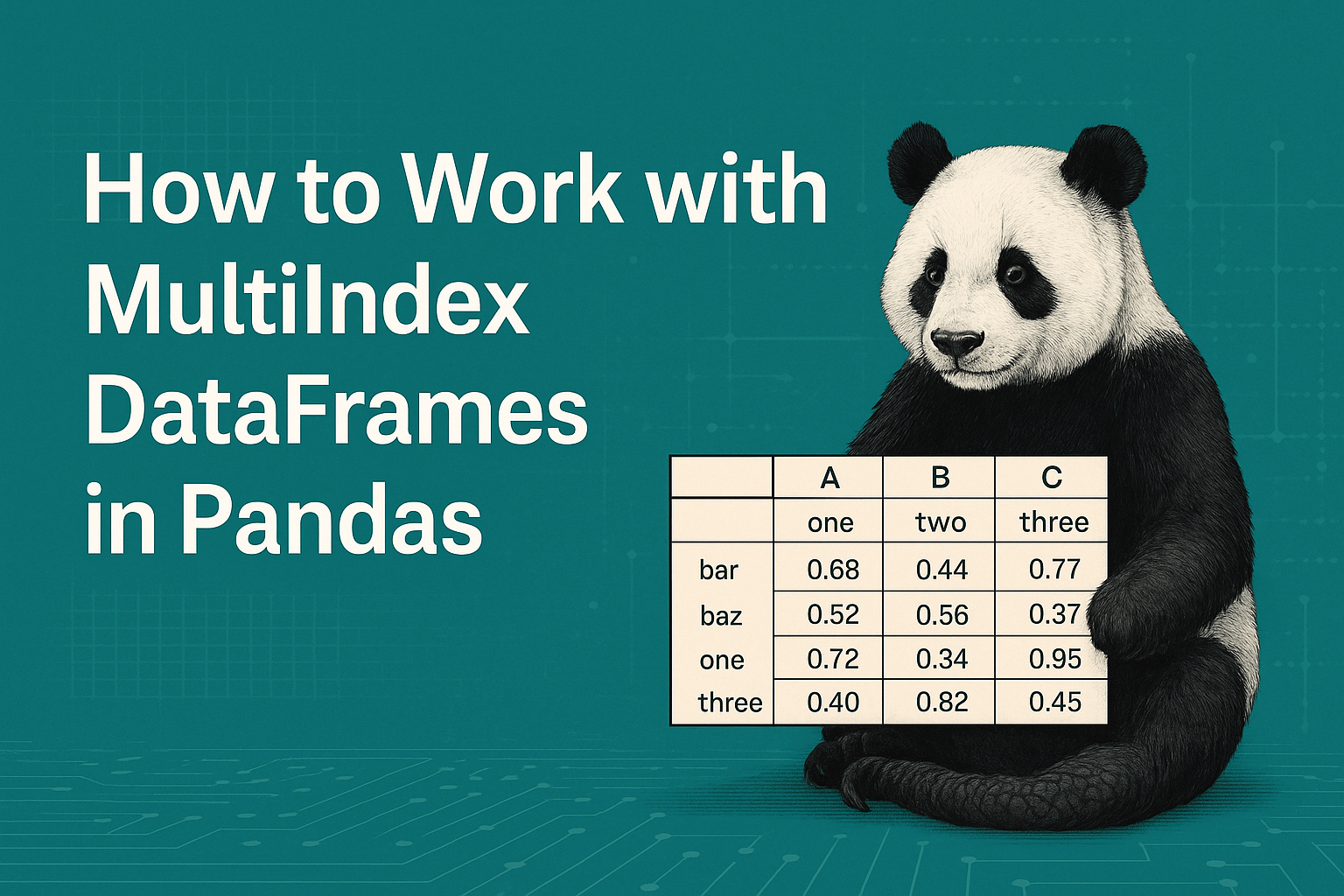
How to Work with Multiindex DataFrames in Pandas
In this blog we are going to talk about how to handle MultiIndex DataFrames in Pandas. As we know that Pandas is a powerful Python library for data analysis and manipulation. MultiIndex DataFrames are DataFrames with multiple levels of indexing, which allow for more complex and nuanced data analysis. We will look at how to…
Read More
5 Pandas Functions for Data Wrangling
Data wrangling is the process of cleaning and transforming raw data into a structured format which can be analyzed. Pandas is a very popular library for data manipulation, offers various functions to make the process of data wrangling easier and more efficient. In this blog, we will discuss five essential Pandas functions for data wrangling…
Read More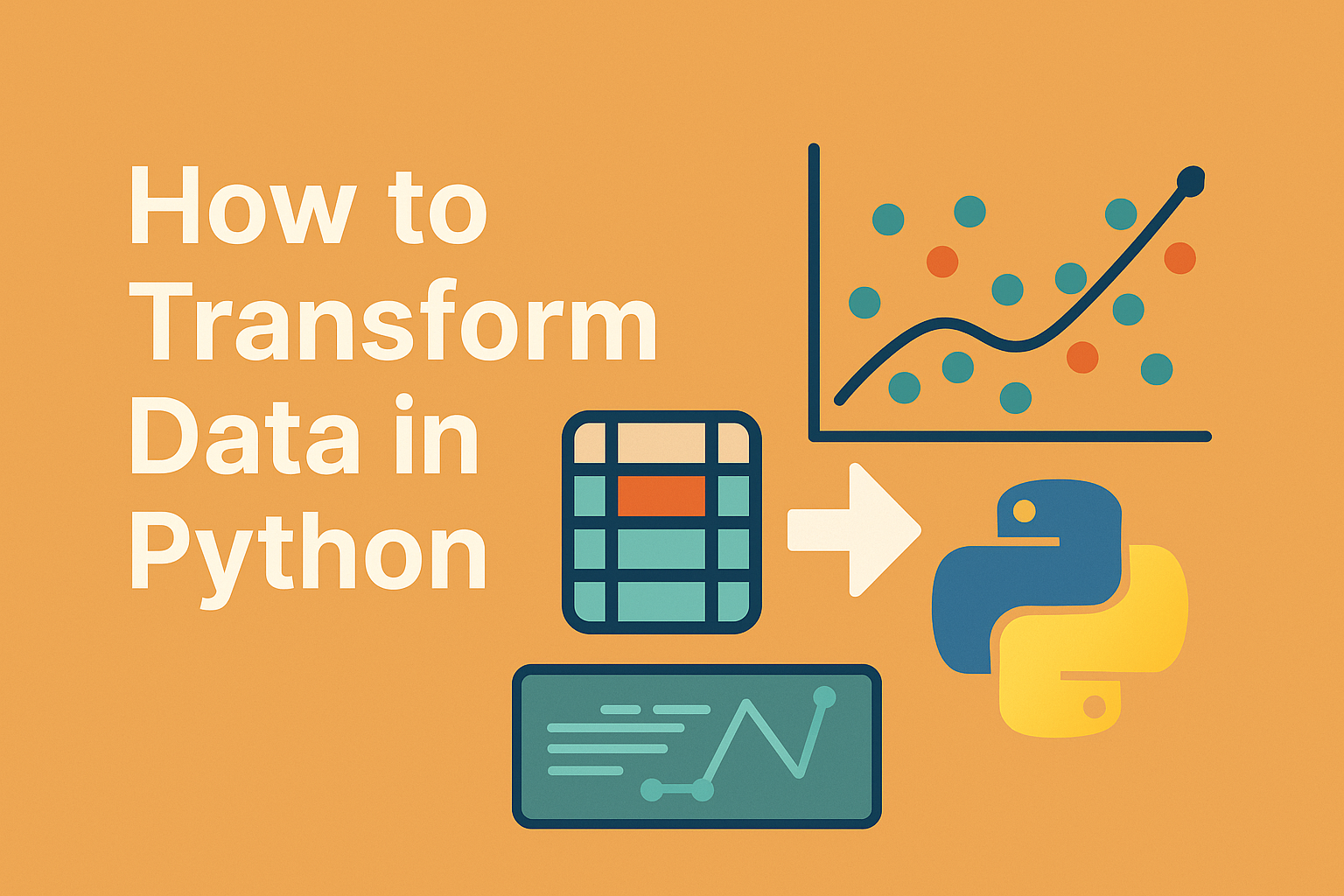
How to Transform Data in Python
Pandas is a powerful and popular library for data processing and analysis in Python. It offers a wide range of functions to help transform and reshape data according to specific needs. In this article, we’ll explore some of the most common ways to transform data in Pandas. Creating a DataFrame Let’s start by creating a…
Read More10 Common Pandas Errors and How to Fix Them
Pandas is a library used for analyzing data that has gained widespread popularity in the Python programming language. It’s valued for its user-friendly interface and diverse set of capabilities. However, as with any programming tool, Pandas comes with its own set of complexities. Therefore, it’s not unusual to encounter errors while working with it. In…
Read MoreAdvanced String Manipulation with Pandas
Pandas is a popular Python library for data analysis that provides powerful techniques for data manipulation, cleaning, and exploration. One of the most useful features of Pandas is its ability to handle string data. In this article, we will explore advanced string manipulation techniques using Pandas. 1 – Splitting and Extracting Strings One of the…
Read MoreHow to Create a Pivot Table in Pandas?
Pandas is a popular Python library used for data manipulation and analysis. One of the most powerful features of Pandas is its ability to create pivot tables. Pivot tables are useful for summarizing and analyzing data, allowing you to gain insights and make better decisions. In this tutorial, we will go over how to create…
Read MoreFeatured Articles
-
 Zero to Python Hero – Part 5/10: Essential Data Structures in Python: Lists, Tuples, Sets & Dictionaries
-
Top 5 Skills Every Engineer Should Learn in 2026
-
Zero to Python Hero - Part 4/10 : Control Flow: If, Loops & More (with code examples)
-
Zero to Python Hero - Part 3/10 : Understanding Type Casting, Operators, User Input and String formatting (with Code Examples)
-
Dynamic Programming in Reinforcement Learning: Policy and Value Iteration



Latest Articles
-
Zero to Python Hero – Part 6/10: Functions and Modules in Python
-
Zero to Python Hero – Part 5/10: Essential Data Structures in Python: Lists, Tuples, Sets & Dictionaries
-
Top 5 Skills Every Engineer Should Learn in 2026
-
Zero to Python Hero - Part 4/10 : Control Flow: If, Loops & More (with code examples)
-
Zero to Python Hero - Part 3/10 : Understanding Type Casting, Operators, User Input and String formatting (with Code Examples)
-
Zero to Python Hero - Part 2/10 : Understanding Python Variables, Data Types (with Code Examples)